Build journal4 min read
Eight minutes of video. A new problem: cost.
By Cédric · Published · This entry recounts 2 November 2026.
The short videos were a start. Today I tried an eight-minute course lesson. Hearing it in another language was encouraging. Seeing the cost gave me the next problem to work on.
From a short clip to a real lesson
Over the last two days, we found a way to take my French recordings and make versions in other languages. There is still plenty to automate, but we have real videos to watch and compare. Today I wanted to try the same idea on something longer: a course lesson, or the kind of video someone might publish on YouTube.
I took an eight-minute video from the yoga school I attend and translated it from English into Mandarin. This brought the experiment back to one of the reasons AltaCross started: useful teaching can already exist, while the people who would benefit from it speak another language.
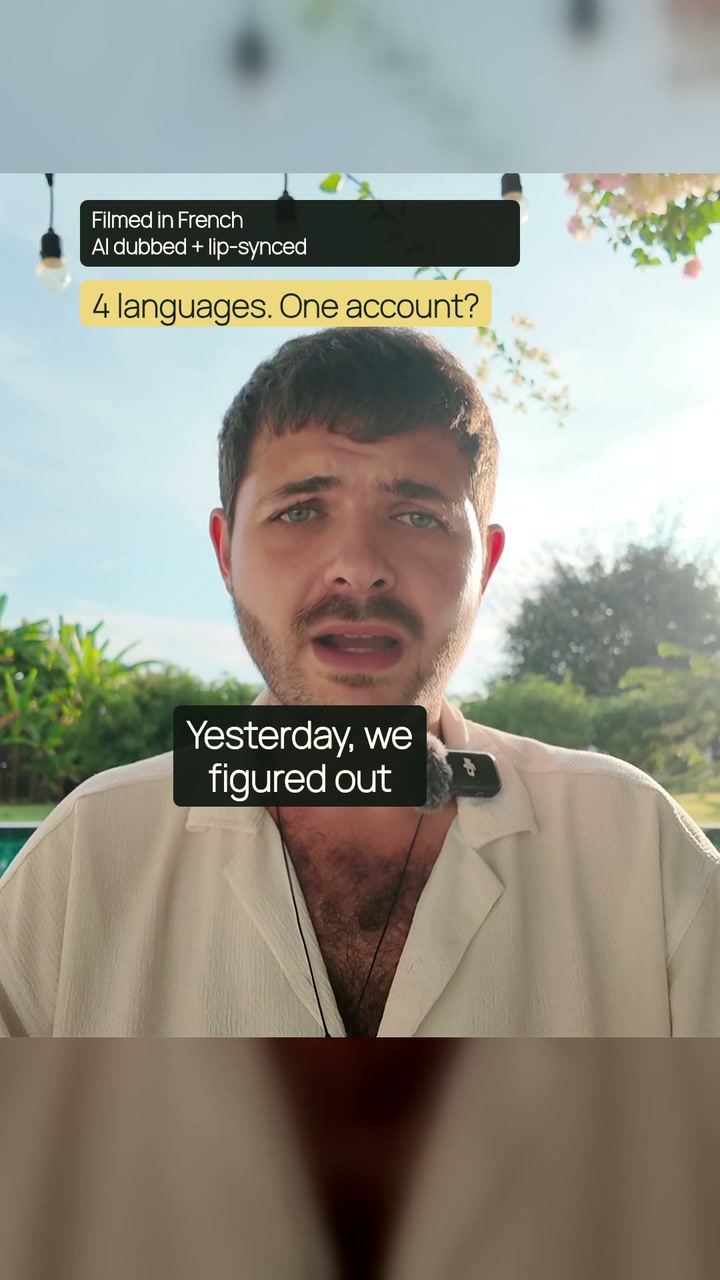
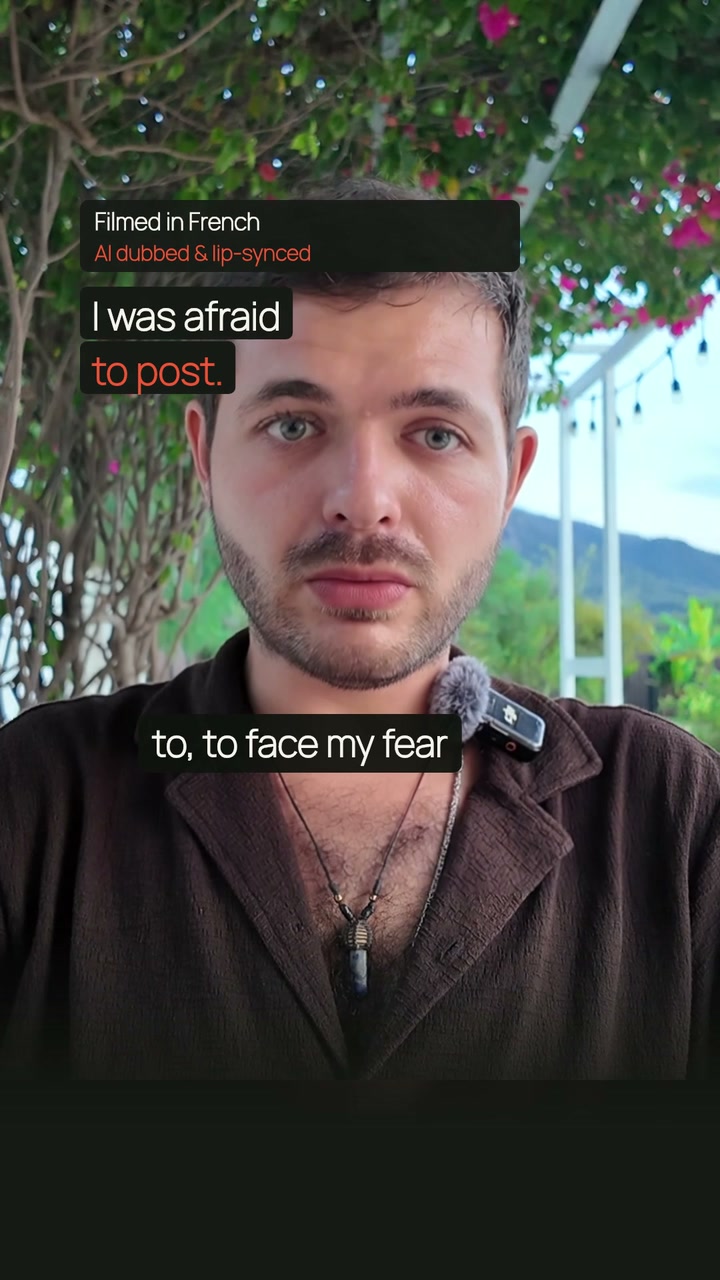
The French narration is AI-dubbed and lip-synced into the selected language.
Same translated audio in both versions.
The course excerpt stays in Mandarin in every edition. The teacher's original mouth movements are retained, without lip sync.
Download subtitlesThe excerpt is in the episode
I included a real excerpt from the Mandarin version in today's video. You can hear it for yourself. The teacher's original mouth movements remain in this excerpt; the course sample is AI-dubbed, without lip sync.
The subtitles help you follow the passage in the language you selected for the episode. The spoken course excerpt stays in Mandarin in every edition, so everyone hears the same example.
Feedback I couldn't give myself
I don't speak Chinese. Listening to the voice alone couldn't tell me whether the teaching had kept its meaning or whether the specialist terms were right.
As I explain in the recording, I sent the result to someone at the school who speaks Chinese. The feedback I received was positive, with a few terms flagged for correction. It also reminds me why a convincing voice is only one part of translating a course: the words and the subject need attention too.
Eight minutes made the cost visible
For this particular eight-minute test, I report almost $20 in credits for the audio alone. Adding lip sync would take the total above $100. Those are the figures discussed in today's experiment.
That changes the question I need to answer. A creator may accept a different production cost for a valuable course than for a short everyday post. Before I apply the workflow to more content, I need to understand which level of production makes sense for each use.
The translated excerpt shows a result. Turning this into something we can use repeatedly also means understanding the cost of producing it.
Next: investigate open-source options
My next step is to look into open-source models that could help reduce the cost. I want to compare what they can produce and understand what it would take to run them, including the computing resources involved.
That investigation is the next experiment. We haven't established a cheaper replacement yet. I want to keep showing the results as we work through the quality, corrections and cost together.
Today's update is another working example
I recorded this update in French. You can watch the French original or choose English, Spanish or German. Those three editions use AI dubbing, localized subtitles and graphics, and lip sync for my narration. They keep the Mandarin course excerpt unchanged.
The player also lets you compare each translated edition with its reference: the same translated audio, with my original French mouth movements. Choose a language, listen to the excerpt and compare the lips. That gives you something concrete to judge while we continue building AltaCross.