Introducing AltaCross3 min read
You have the content. Let someone else hear it.
By Cédric · Published
The work is already in your video
You have already found the idea, worked out how to explain it and put yourself in front of a camera. Maybe you have recorded an entire course. Someone who could learn from it opens the video, hears a language they do not understand and moves on. The lesson may be useful to them. They simply cannot follow it.
That is the problem behind AltaCross. I want creators and educators to record naturally in their own language, then let other people hear the same message in theirs. A French video can become an English, Spanish or German edition without asking its creator to perform the whole thing again.
The words, the voice and the face
A translated script is the beginning. The sentences need to sound natural when spoken and still mean what you intended. Then comes the dubbed voice: its rhythm, pauses and delivery need to fit the footage. Subtitles and the text on screen have to follow the new language too.
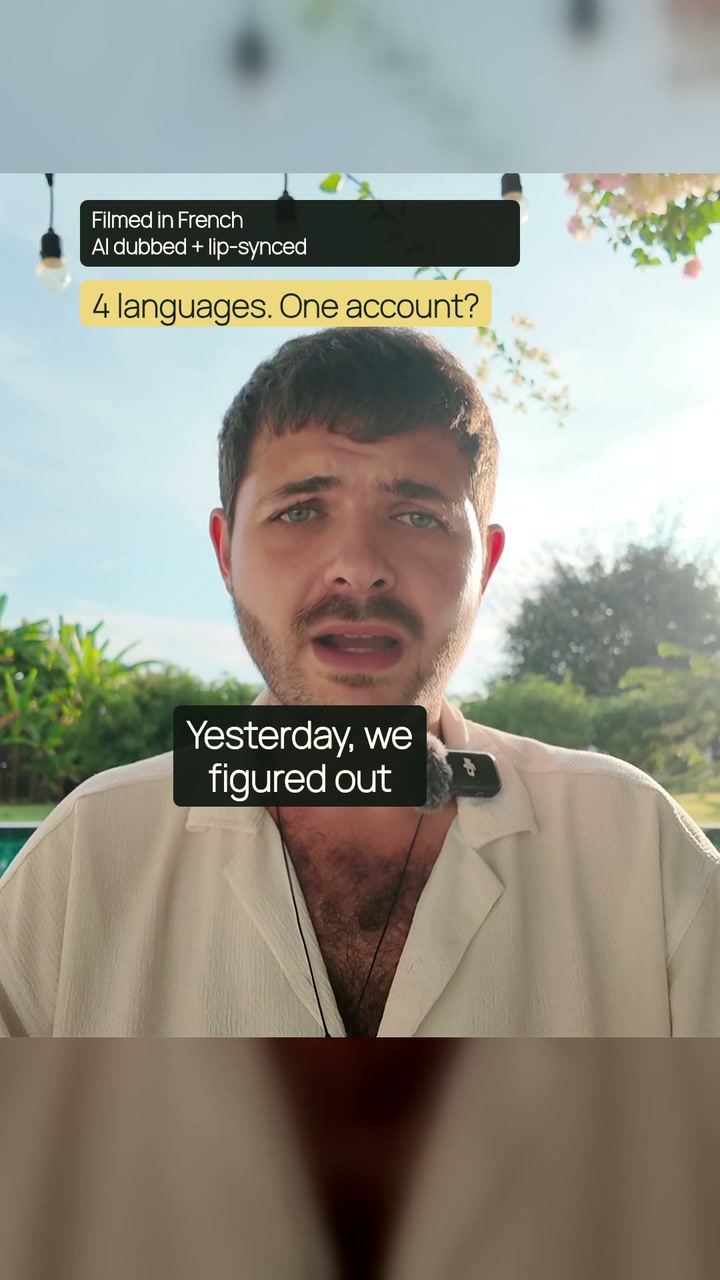
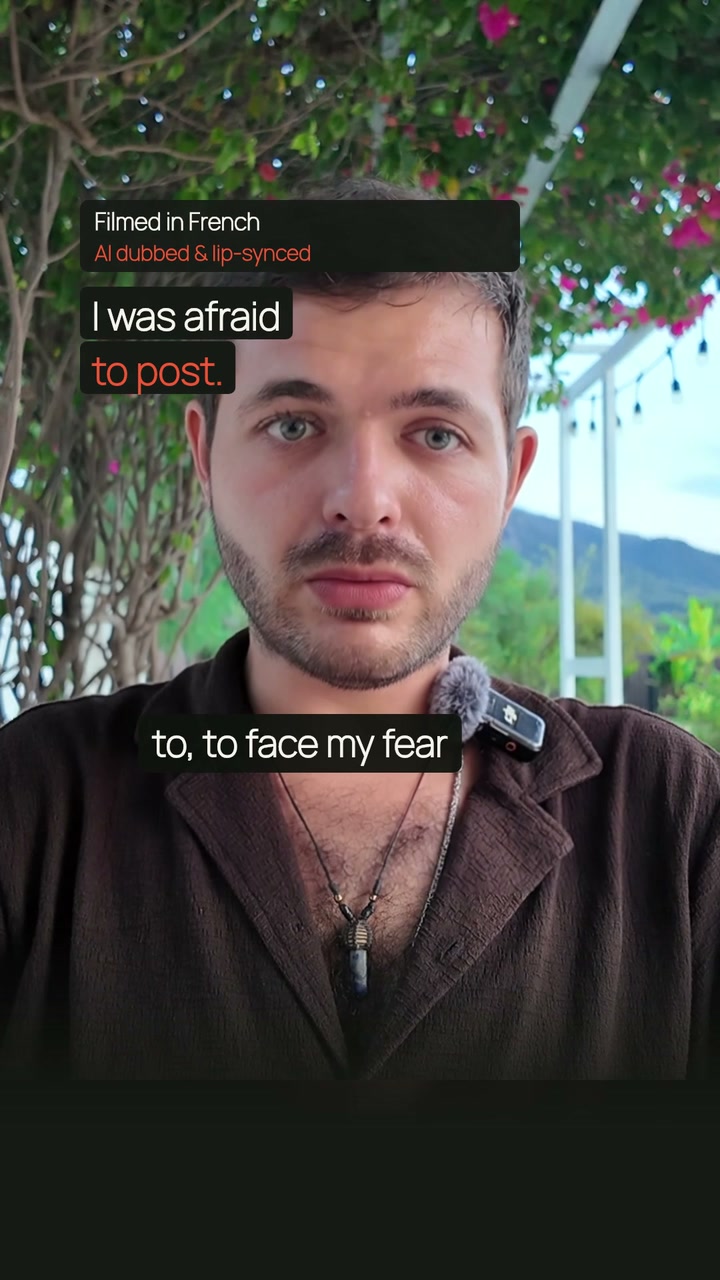
There is another detail you notice as soon as someone speaks directly to the camera: the lips. We have been testing AI lip sync to adapt their movements to the translated audio. On our examples, you can compare the dubbed video with its original mouth movements against the version with lip sync. The audio stays the same, so you can judge the change in the image.
A short video, a lesson, a whole course
For a content creator, the starting point might be a short explanation you already post on social media. The opening, captions and closing invitation should make sense in the new language as well. For a course owner or someone running a Skool community, it could be a lesson that people keep asking to access in another language.
Those are different jobs. A short video needs an opening that earns attention. A course needs consistent terminology and explanations that remain clear from one lesson to the next. I would rather start with one useful video, review the result with you and agree on a scope than assume the same treatment suits every library.
Watch our own footage first
We are using our own videos as the testing ground. The examples show the French recording, translated editions and real lip-sync comparisons. You can listen to the voice, read the subtitles and look closely at the face. They give you something concrete to assess before we talk about your content.
The journal also shows the questions that come next. Once a video exists in several languages, where should each version live? How do we make the process manageable? We are exploring a publishing workflow; automatic retrieval and cross-account posting are still part of that work.
Start with your content and one audience
If you have a video or a course in mind, tell us what you teach, which language you record in and who you would like to reach next. We can discuss a pilot, review a first adaptation together and define the work that follows. The first question is simple: does your message still feel like you when someone hears it in another language?